

Who Was Dr. Maria Montessori?
Dr. Maria Montessori (1870–1952) was a doctor, educator, and mother at heart, whose life’s work was centred on understanding children. At a time when children were often expected to simply obey, she chose instead to listen, observe, and learn from them.
Through years of careful observation, she noticed something remarkable: when children are trusted, respected, and given the right environment, they naturally want to learn. This simple but powerful idea became the foundation of the Montessori approach used by families and schools around the world today.
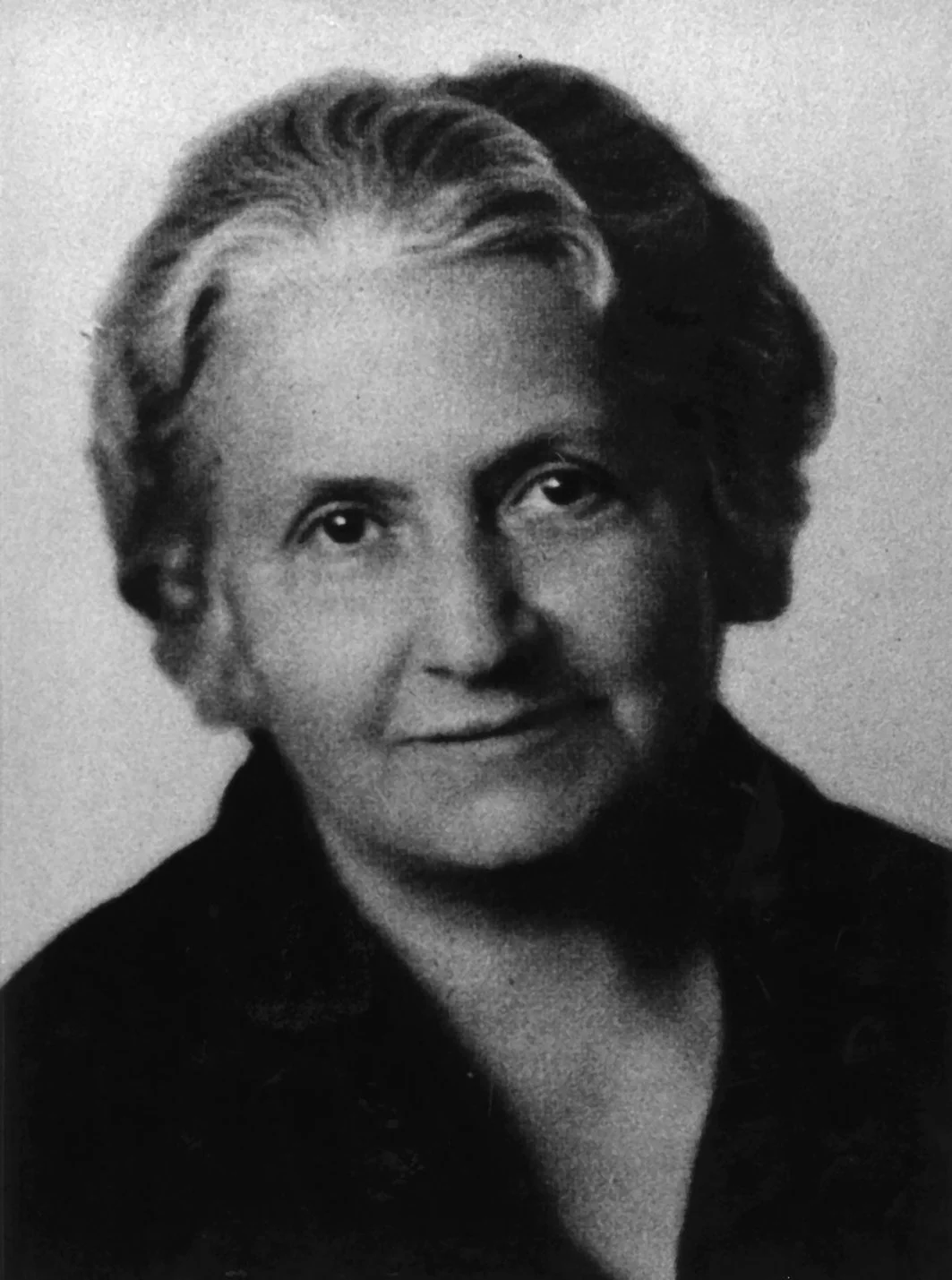
Dr. Maria Montessori devoted her life to children, families, and believed that when we truly understand the child, learning and peace can grow naturally.Key Moments in Her Life
Here are a few moments that shaped Dr. Maria Montessori’s journey and continue to inspire families today:1870
Born in Chiaravalle, Italy, Dr. Maria Montessori showed determination and curiosity from a young age.
1896
She became one of the first women in Italy to qualify as a medical doctor, breaking barriers for women everywhere.
1907
She opened the first Casa dei Bambini (Children’s House), where her ideas about child-led learning truly came to life.
1910–1930s
Parents and educators around the world began embracing her approach as they saw children become more confident, calm, and capable.
1952
Maria Montessori passed away, leaving behind a legacy that continues to support children and families across generations.
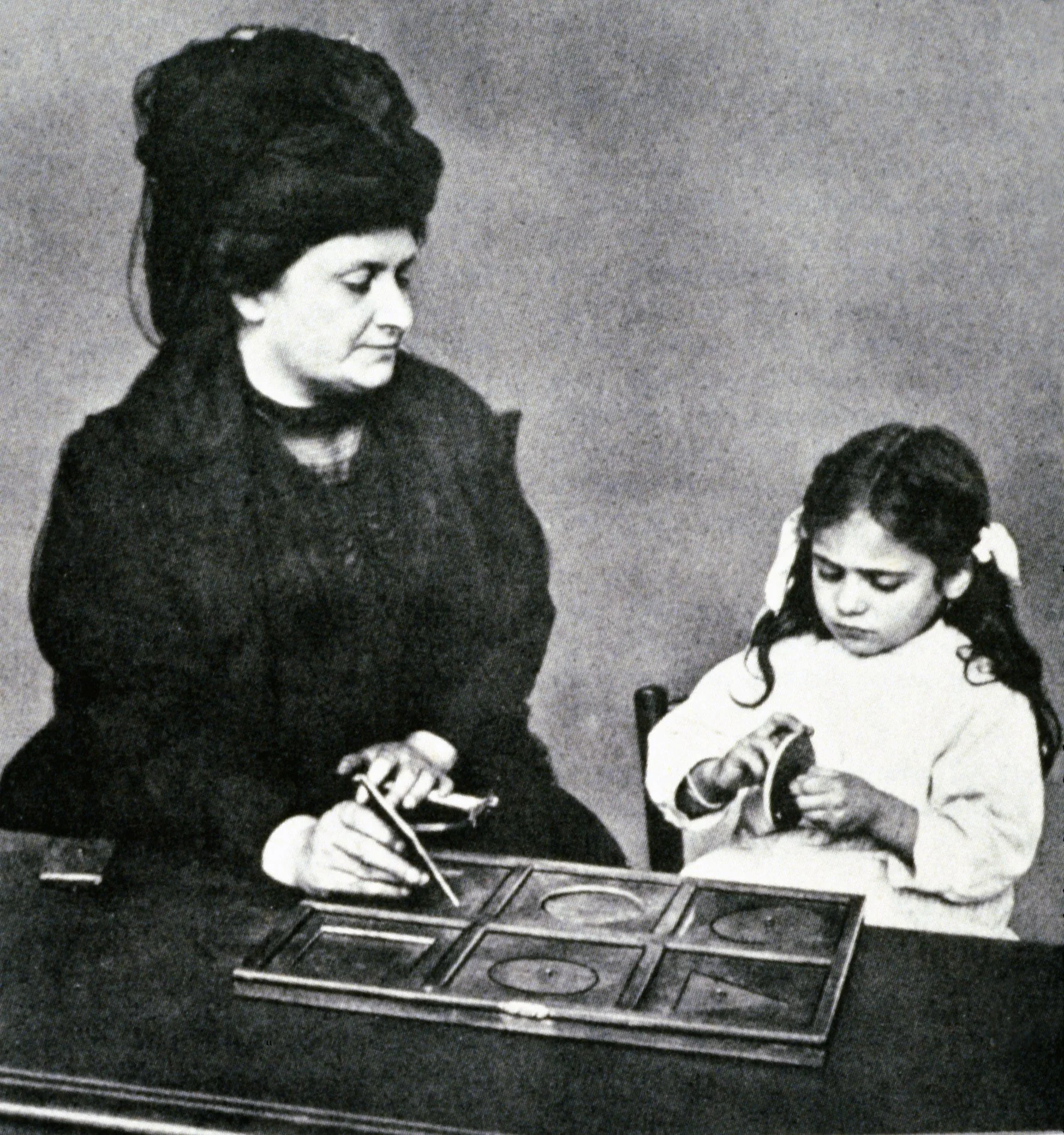
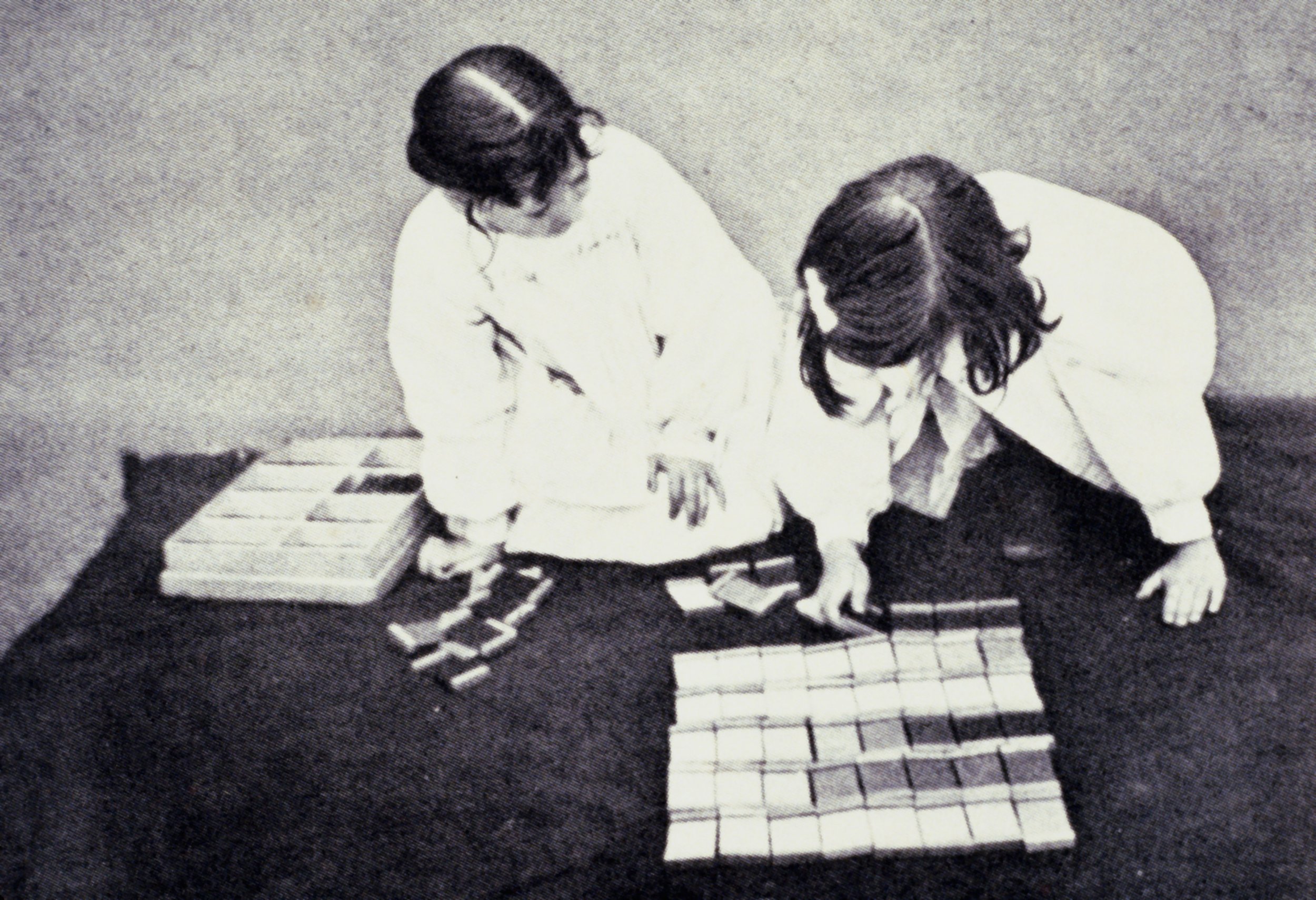
Why Her Work Still Matters Today
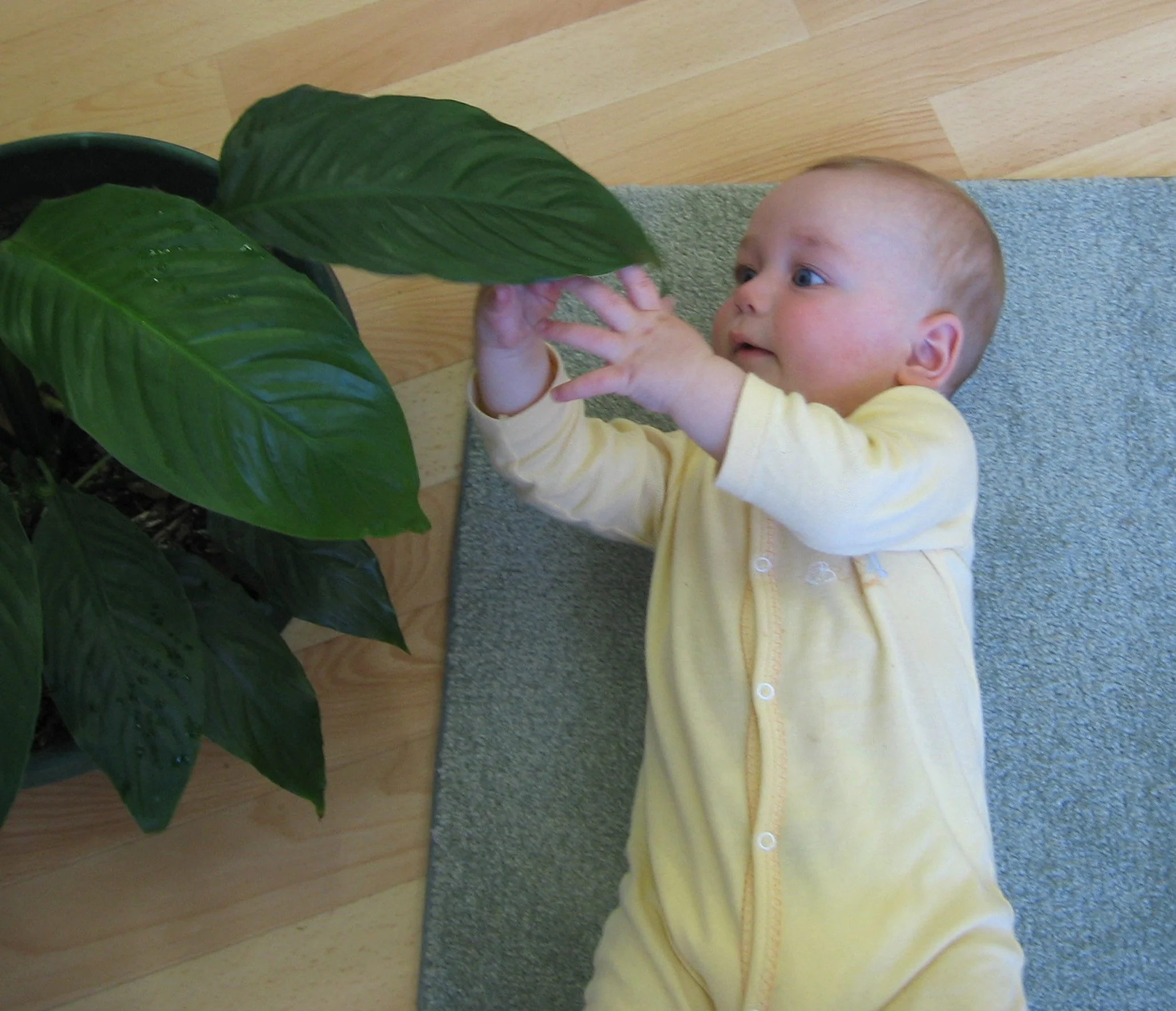
Maria Montessori believed that childhood is not something to rush through, but a precious time to be protected and respected. She saw that children learn best when they can move, explore, repeat activities, and make choices that are meaningful to them.
For parents, this means supporting independence while offering guidance and consistency. Montessori education today continues to help children grow into confident, caring, and capable individuals — starting from birth.
Respect for the Child
Children are capable, worthy of trust, and deserving of dignity.
Core Montessori Principles
Prepared Environment
Spaces are intentionally designed to support independence and concentration.
Hands-On Learning
Children learn best through movement, exploration, and real experiences.
Peace Education
Education is a powerful tool for building a more peaceful and compassionate world.
Maria Montessori in Her Own Words
“The greatest gifts we can give our children are the roots of responsibility and the wings of independence.”
Montessori Today
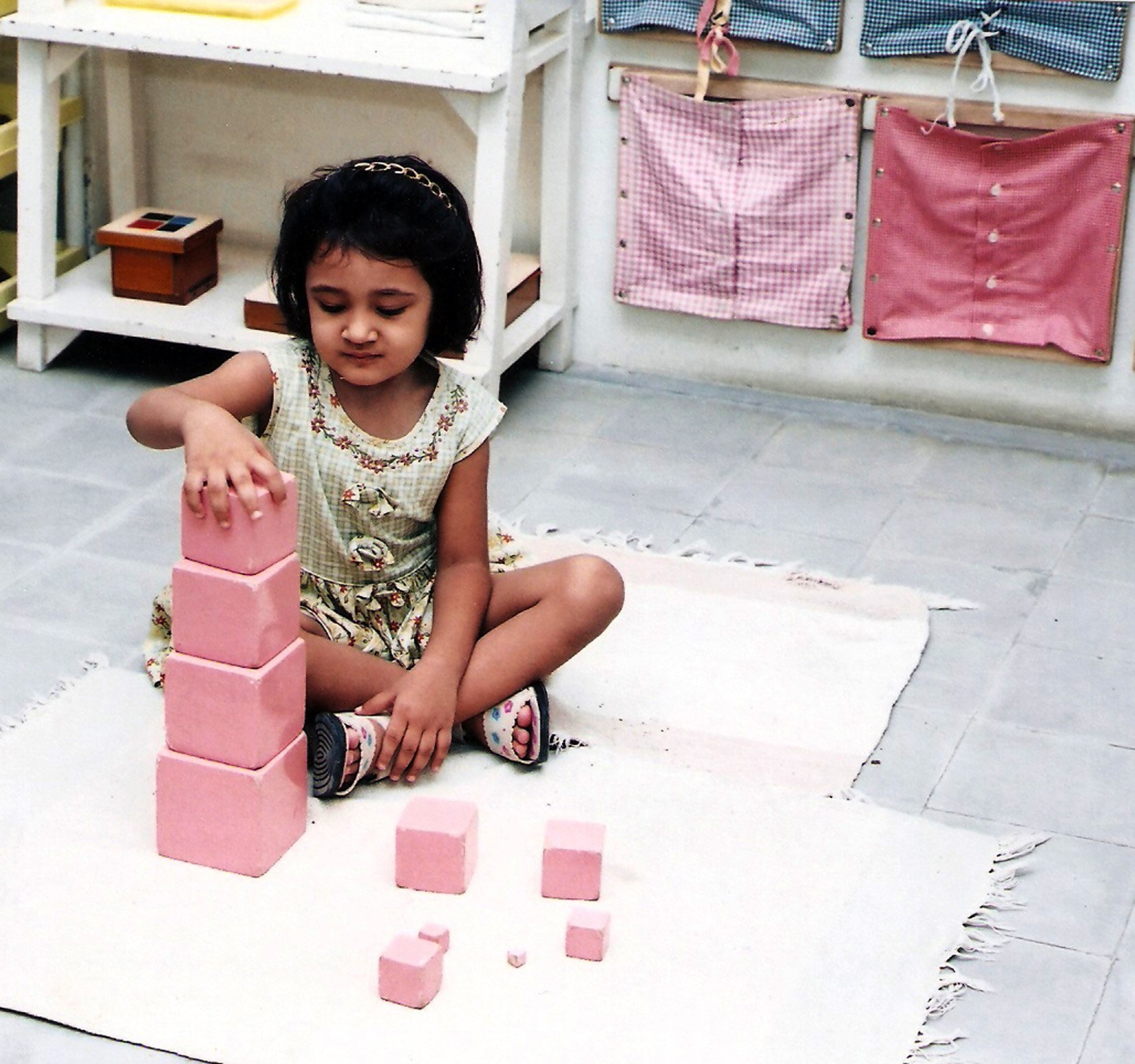
Australia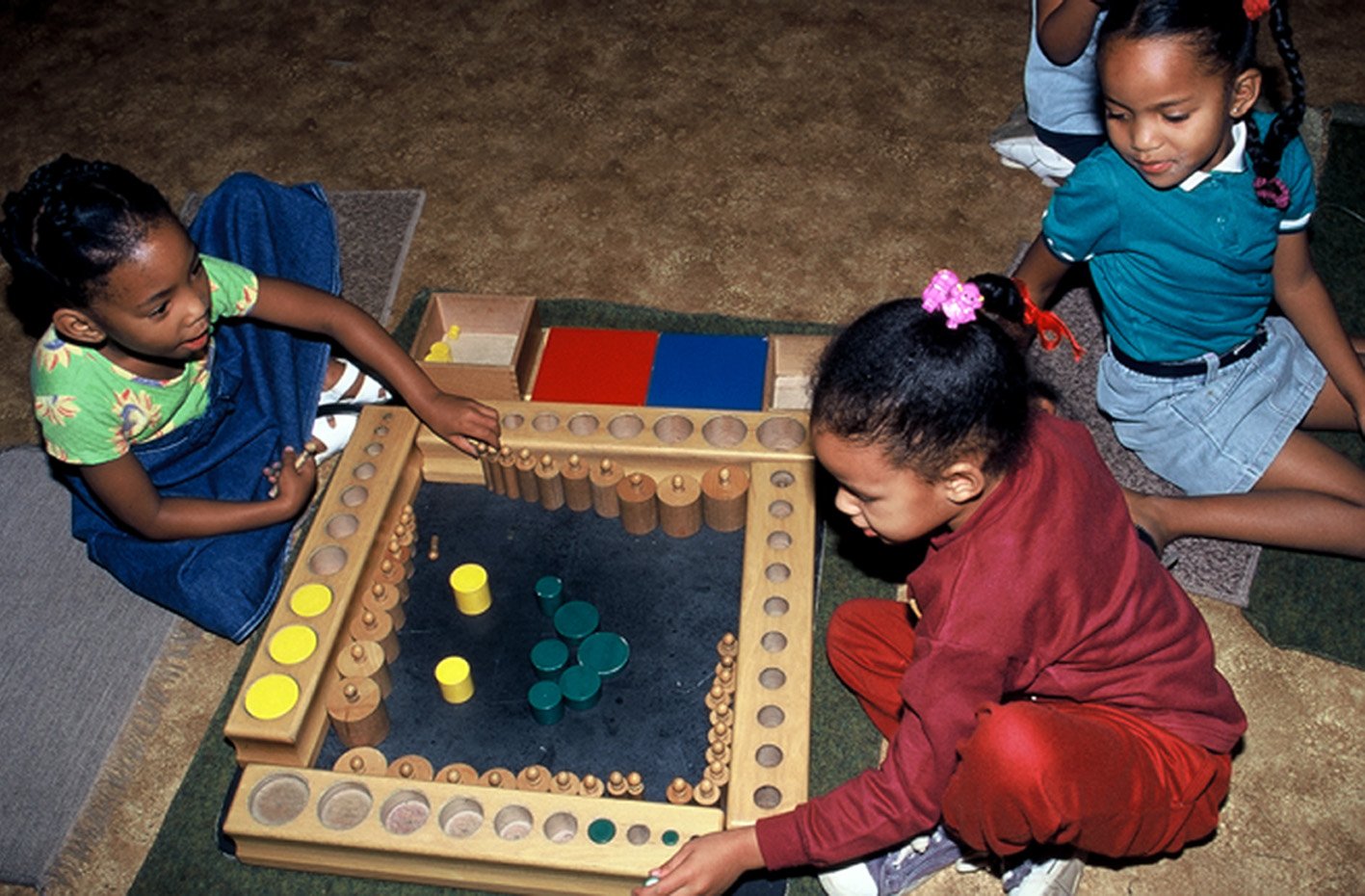
Pakistan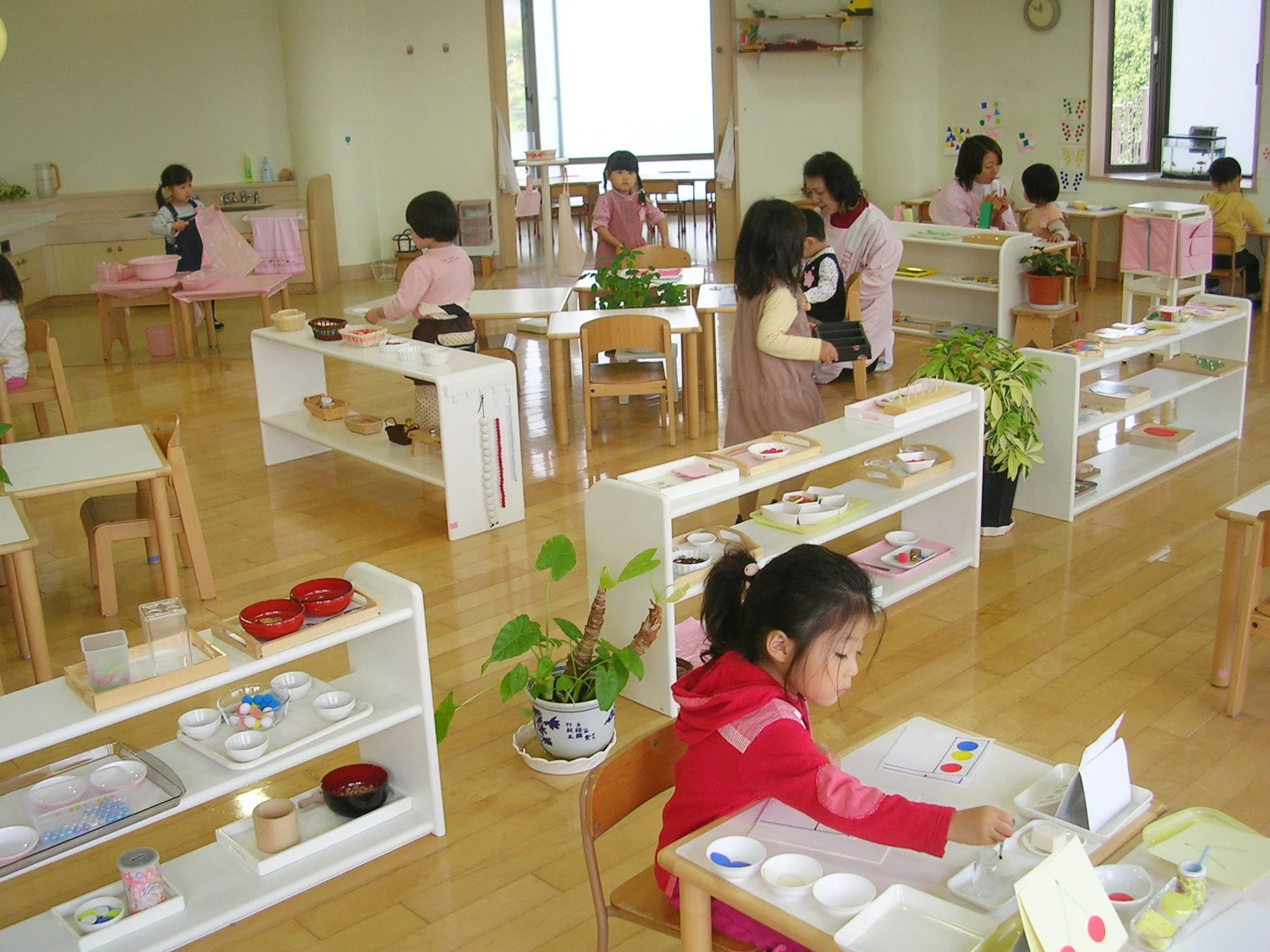
South Africa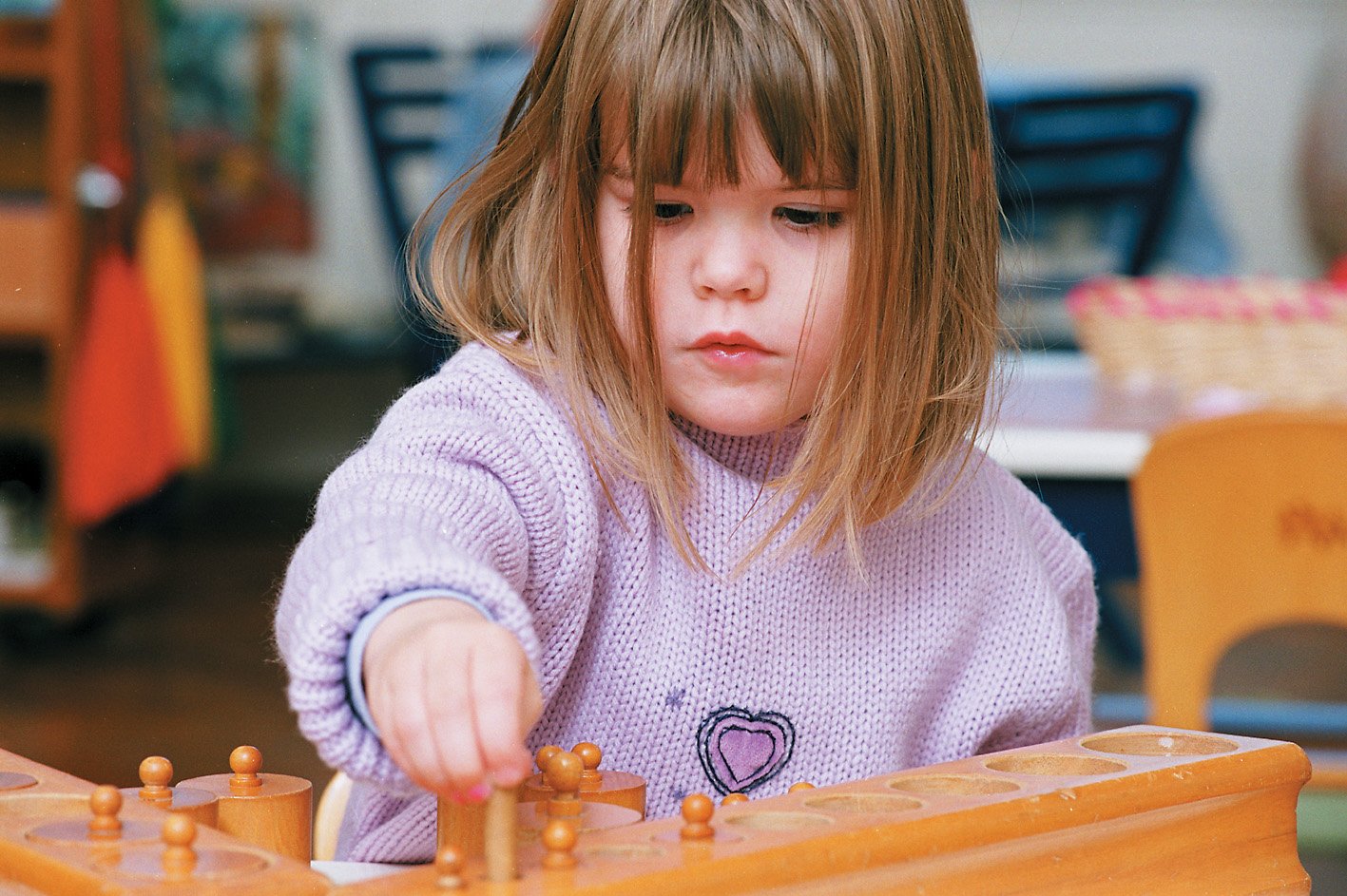
Japan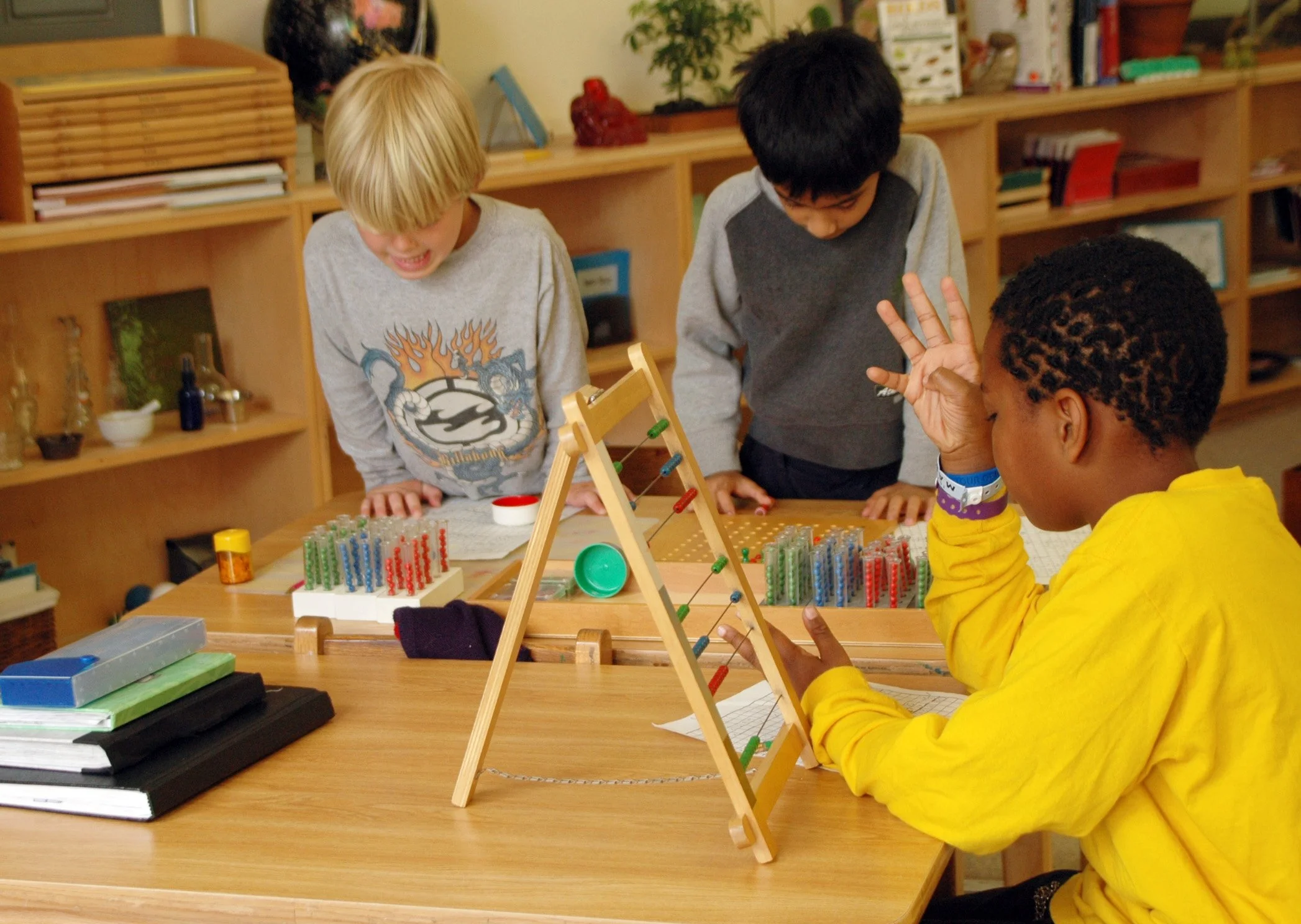
UK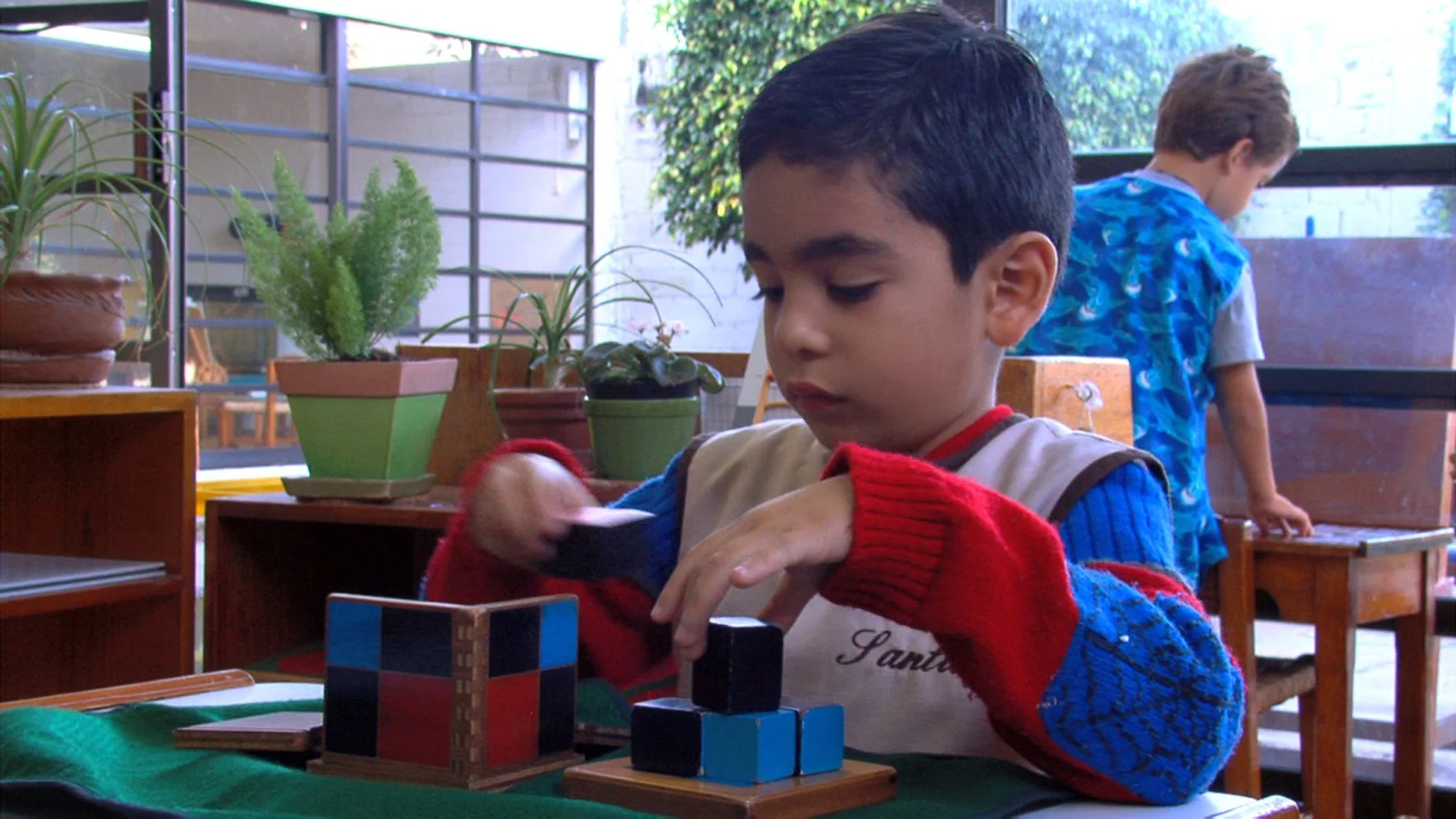
USAMexicoWhy We Choose AMI Montessori
Montessori can look a little different from place to place, which is why many parents ask about AMI. AMI stands for the Association Montessori Internationale, the organisation founded by Dr. Maria Montessori herself in 1929.
For families, AMI offers reassurance. It means the approach your child experiences is deeply rooted in Maria Montessori’s original work, research, and values — not a modern interpretation or trend.
We choose AMI because it aligns with our values as a family centre: deep respect for children, partnership with parents, and a calm, thoughtful approach that supports each child’s natural development.
You can find out more information and embark on Diploma courses at:
Our Montessori Family Centre
Our family centre is inspired by Maria Montessori’s belief that education works best when parents and educators work together. We see families as partners and children as capable individuals with their own unique rhythm of development.
Whether you are new to Montessori or already living it at home, we welcome you into a supportive community where curiosity, connection, and trust in the child are at the heart of everything we do.